1. How much does spray foam insulation cost in North Bay?
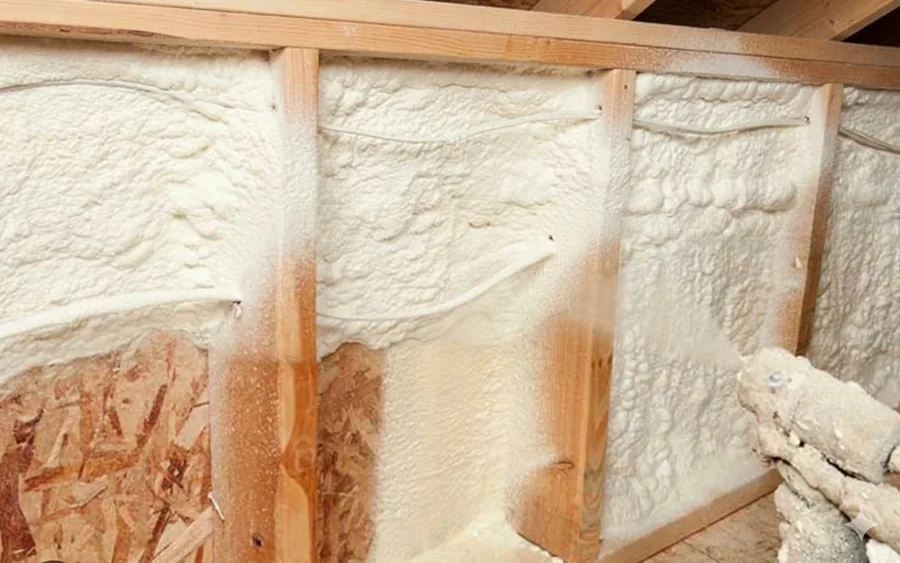
Open-cell spray foam in North Bay typically costs $1.50–$2.50 per square foot, while closed-cell runs $3.00–$5.00 per square foot installed. A standard 1,500 sq ft attic job ranges from $2,000–$4,500 depending on thickness and access. Closed-cell costs more but provides a higher R-value and acts as a moisture barrier. See our full North Bay spray foam pricing guide for a breakdown by job type.
2. What is the difference between open-cell and closed-cell spray foam?
Open-cell foam is softer, less dense, and best for interior applications like attics and walls, where it excels at air sealing. Closed-cell foam is rigid, denser, and moisture-resistant — it's the right choice for crawl spaces, basements, and anywhere exposed to moisture or temperature extremes common in Northern Ontario.
3. How long does spray foam insulation installation take?
Most residential spray foam jobs in North Bay are completed in one day. Larger homes or commercial projects may take two days. The foam itself cures within hours, but residents should stay out of the home for 24–48 hours after application — 24 hours for open-cell foam, and at least 48 hours for closed-cell foam to allow for full off-gassing and ventilation.
4. Is spray foam insulation worth it in Northern Ontario?
Yes — spray foam outperforms traditional batt insulation in Northern Ontario's climate because it seals air gaps completely, which is the primary cause of heat loss in cold climates. Homeowners in North Bay typically see heating cost reductions of 20–40% after spray foam installation.
5. Does spray foam insulation need a vapour barrier?
Closed-cell spray foam at sufficient thickness — typically 2 inches or more — meets the Ontario Building Code's permeance requirements and acts as its own vapour retarder, so a separate polyethylene sheet is not required. Open-cell foam is vapour-permeable and does require a separate vapour barrier installed on the warm side of the insulation, per Ontario Building Code requirements.
6. Can spray foam be installed in an occupied home?
Residents and pets must vacate the home during installation and for at least 24–48 hours after spraying — 24 hours for open-cell foam and 48 hours for closed-cell foam. The space should be well-ventilated before re-entry. Your contractor will confirm the exact re-entry time based on the foam type and job scope.
7. What areas of the home benefit most from spray foam?
Attics and crawl spaces deliver the highest return because they're the primary points of heat loss in Northern Ontario homes. Basement rim joists, garage ceilings, and exterior walls also benefit significantly — especially in older North Bay homes built before modern insulation standards.
8. Is spray foam insulation covered by home insurance?
The cost of spray foam insulation is not covered by home insurance — it is a home improvement, not an insurable loss. However, by strengthening the building envelope and reducing moisture risk, spray foam can lower the likelihood of insurance claims over time. It is worth asking your insurer whether any energy efficiency upgrades affect your policy or premiums.
9. How do I know if my home needs spray foam insulation?
Signs your North Bay home needs better insulation include high heating bills, cold floors or walls in winter, ice dams on the roof, or drafts near windows and exterior walls. A contractor can do a quick visual inspection to identify the highest-priority areas.
10. Do you serve areas outside North Bay?
Yes — we serve homeowners in Callander, Sturgeon Falls, Powassan, Mattawa, Bonfield, and Trout Creek. Get in touch and we'll confirm coverage for your address.