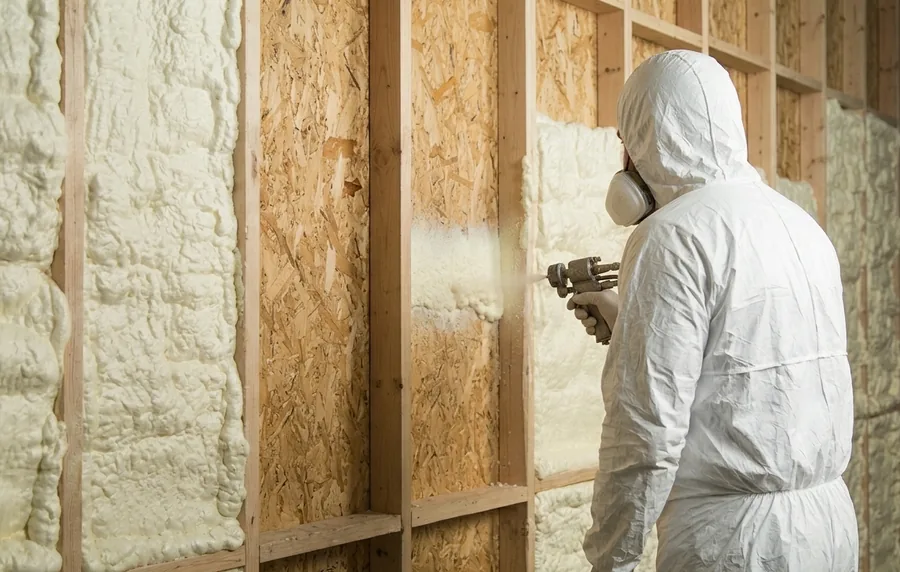
Winterizing a Cottage With Spray Foam: The Northern Ontario Playbook

Turning a three-season camp into a four-season home starts underneath — here's the upgrade order that actually works.

Get a Quote

Quick answer: the highest-impact upgrade when converting a Northern Ontario cottage to four-season use is closed-cell spray foam in the crawl space, rim joists, and under-floor areas — it stops frozen pipes, cold floors, and moisture damage in one application. Typical cottage packages in the North Bay area run $2,500–$6,000 depending on size and access.

Why Cottages Fail in Winter

Most camps around Lake Nipissing, Lake Nosbonsing, Trout Lake, and the smaller back lakes were built for July. Open or skirted crawl spaces, uninsulated floors, minimal attic coverage, and plumbing runs through unconditioned space — none of it matters in summer, all of it fails in January. The classic first-winter story is the same everywhere in the district: cold floors you can't fix with a wood stove, and a frozen or burst pipe by February.

The instinct is to start with the attic. Underneath is usually the better first move: heat loss through an uninsulated floor over a vented crawl space is enormous, and it's the crawl space that holds your plumbing.

The Upgrade Order That Works

1. Crawl space + rim joists

Closed-cell foam on crawl space walls and rim joists seals the building's underside, protects plumbing, and warms floors immediately. Its built-in vapour barrier handles lakeside moisture — critical for waterfront camps.

2. Attic or roofline

Once the bottom is sealed, bring the attic to R-60 — open-cell foam for vented attics, closed-cell where cathedral ceilings leave no room for depth. This locks in the heat your stove or furnace makes.

3. Walls (as budget allows)

Wall insulation matters less than the top and bottom of the building and often waits for a renovation cycle when walls are open anyway. Don't let it delay steps 1 and 2.

Closed-cell spray foam applied to a cottage crawl space wall in Northern Ontario

Closed-cell foam on crawl space walls — the single highest-impact cottage upgrade

What It Costs

Every camp is different, but typical North Bay area cottage winterization packages land in these ranges:

Crawl space + rim joists: $2,000–$4,000
Attic top-up to R-60: $1,500–$3,500
Full bottom + top package: $2,500–$6,000

General estimates from typical market rates, not a quote — access, size, and existing conditions move the number. Full pricing guide →

Cottage-Specific Questions

  • Can spray foam stop my pipes freezing?
    Sealing the crawl space with closed-cell foam keeps plumbing inside the building's warm envelope, which prevents the most common cottage freeze scenario. Heat trace on vulnerable runs adds cheap insurance for extended power outages.
  • Do I need to heat the cottage all winter after foaming?
    A sealed, insulated cottage can hold safe temperatures on a low thermostat setting (8–10°C) economically, which is the standard approach for camps used on winter weekends. Full shutdown with drained plumbing also works — foam makes either strategy cheaper.
  • Is winter installation possible?
    Yes — professional crews work year-round in Northern Ontario using substrate heating and staging. Booking in fall is still smarter: schedules fill ahead of freeze-up, as covered in our contractor guide.

Make This the Last Cold Winter at Camp

Tell us about your cottage — location, size, what's under it — and get a quote for a four-season conversion.

Get a Quote
Get a Quote